When the seasons change, you might notice the beauty of blooming flowers or the crispness of fall air. But for many, this time of year also brings itchy, watery, and uncomfortable eyes. If you find yourself dreading the pollen count, you’re not alone, and you don’t have to just push through the discomfort.
Seasonal eye allergies are your body’s reaction to airborne allergens like pollen and mold, but with support from Cowichan Eyecare, a clear diagnosis can help you find an effective relief plan. Understanding what’s happening with your eyes is the first step toward enjoying every season with clear, comfortable vision.
What Causes Your Seasonal Eye Allergies?
Common Environmental Triggers
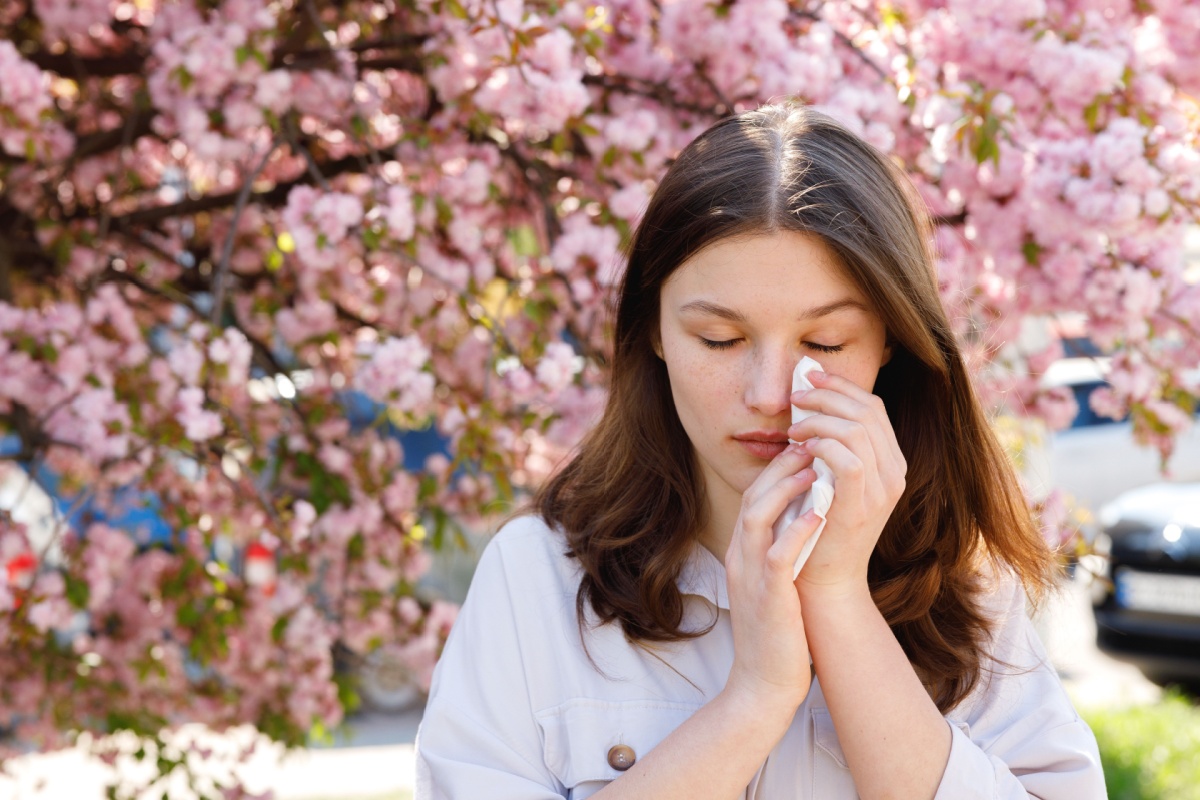
You may notice your eye allergy symptoms flare up at certain times of the year. This is often because of tiny particles floating in the air. Common triggers include pollen from trees in spring, grasses in summer, and weeds in late summer and fall.
Outdoor mold spores, which thrive in damp conditions, are another frequent source of irritation. These particles are so small and light that the wind can carry them for kilometres, making them difficult to avoid.
Your Body’s Natural Response
When these allergens land on your eyes, your body sees them as a threat. To protect you, your immune system releases a chemical called histamine. It’s this natural defence that causes the frustrating symptoms you experience, a condition known as allergic conjunctivitis.
Histamine makes the blood vessels in your eyes dilate and leak, leading to redness and watering. It also irritates your nerve endings, causing that persistent, hard-to-ignore itch.
Spot the Signs & Symptoms
Seasonal eye allergies can feel different for everyone, but some signs are very common. You might experience one or several of these at once, and they can range from mild to very disruptive. Pay attention if your eyes feel off, as some symptoms can overlap with other conditions, such as dry eye disease.
- Itchy, red, or watery eyes
- Swollen or puffy eyelids, especially in the morning
- A gritty feeling, like sand is in your eye
- Blurry vision that comes and goes
- Sensitivity to bright light
How an Optometrist Can Help
Get a Clear Diagnosis
It’s easy to assume your symptoms are just allergies, but other conditions, like dry eye or an eye infection, can feel similar. An eye exam allows an optometrist to examine your eyes closely and confirm the source of your discomfort.
By ruling out other potential issues, you get peace of mind and the right approach for relief. If you need a clear answer, you can talk with your optometrist to get a proper assessment.
Create a Personalized Relief Plan
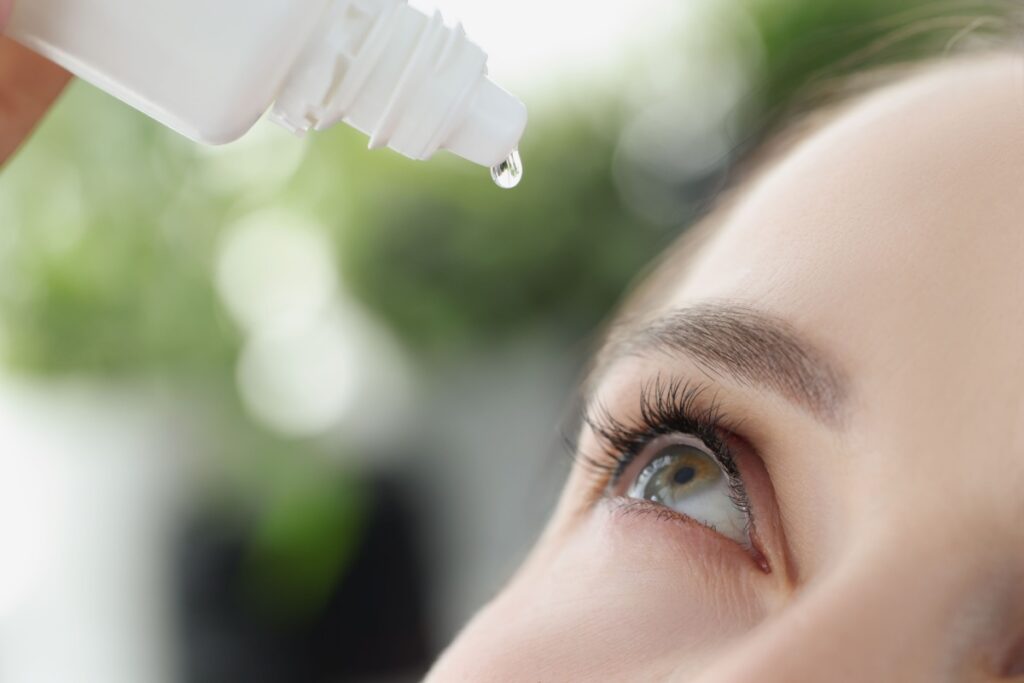
Once your eye allergies are confirmed, the team can discuss options tailored to you, including prescription eye drops that offer targeted and longer-lasting relief.
If you wear contact lenses, your optometrist can also suggest strategies to make them more comfortable during allergy season. Exploring different contact lens options can be part of that plan.
Tips for At-Home Comfort & Relief
While a professional can provide targeted treatments, you can also take simple steps at home to soothe your eyes. These small habits can make a big difference in how you feel day to day
Our best tips to help reduce your exposure to allergens inside your home:
- Try to keep windows closed during peak pollen times
- Use an air purifier to help filter out airborne particles
- Washing your hands and face after coming inside can also help remove any pollen you may have picked up outdoors
- Apply a cool, damp cloth over your closed eyes to help reduce swelling and relieve itching
- Wear wraparound sunglasses when you’re outside to create a physical barrier between your eyes and airborne pollen
- Avoid rubbing your eyes—even though it’s tempting —because it can release more histamine and make the irritation worse
When to Schedule an Eye Exam
If Your Symptoms Persist
It’s a good idea to schedule an appointment if your eye allergy symptoms are interfering with your daily life, such as reading or driving.
You should also seek professional care if you experience any of the following:
- Your discomfort interferes with work or school
- You have eye pain, not just itchiness or irritation
- You notice significant changes in your vision
Find Relief from Seasonal Allergies with Cowichan Eyecare
You don’t have to let itchy, watery eyes dictate your seasons. Our team at Cowichan Eyecare on Vancouver Island can help you find a management plan that fits your lifestyle. Schedule your appointment today to explore your options for lasting relief.