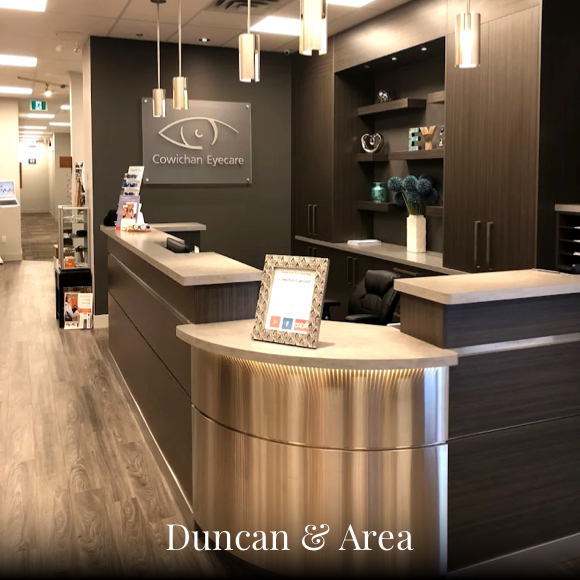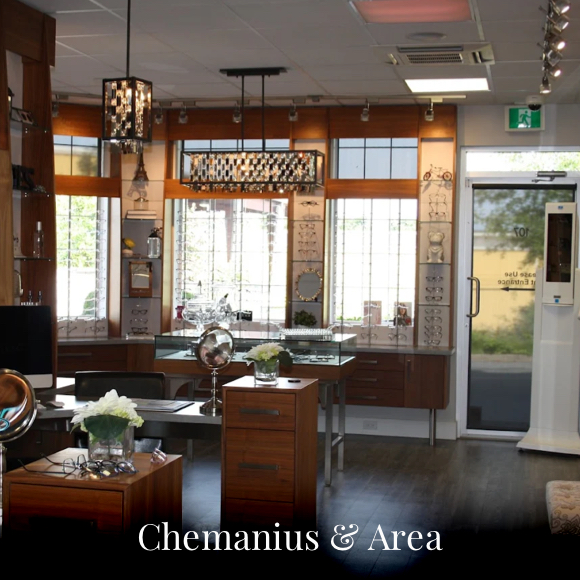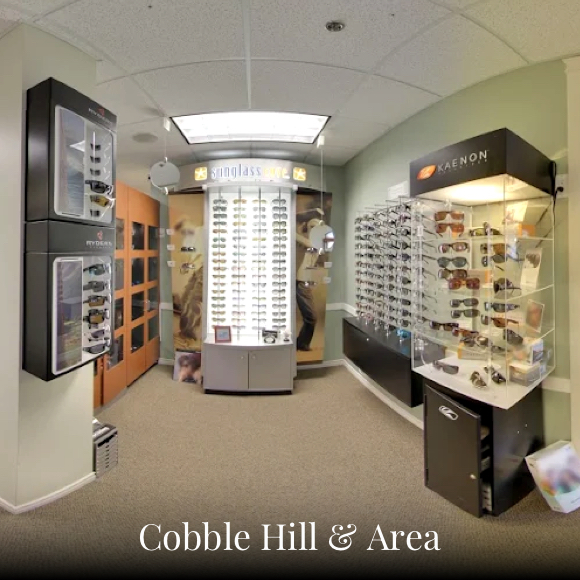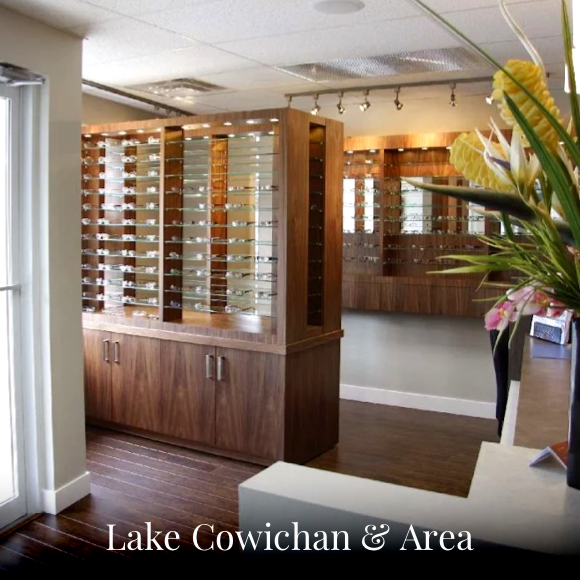
You sit at your computer for a few hours, and by lunchtime, your head starts pounding. Your neck feels tight, and your eyes burn even though you’re wearing your prescription glasses. This can happen because traditional glasses only correct how clearly you see — they don’t address how well your eyes work together. Cowichan Eyecare offers both traditional and specialized lens solutions to help families find the right fit for their vision needs, including Neurolens technology for those experiencing digital eye strain.
Neurolens technology can help reduce digital eye strain symptoms that regular glasses can’t address, but traditional lenses remain the right choice for straightforward vision correction without strain.
What Are Neurolenses & How They Differ From Regular Glasses
Traditional Lens Technology
Regular glasses focus on making things look sharp and clear. Your eye doctor measures how well you see at different distances, then creates lenses that bend light correctly for your eyes.
These lenses work well when your main problem is blurry vision. You can see road signs clearly again or read a book without squinting. Designer frames and specialty lenses are available for all ages and vision needs.
Neurolens Innovation
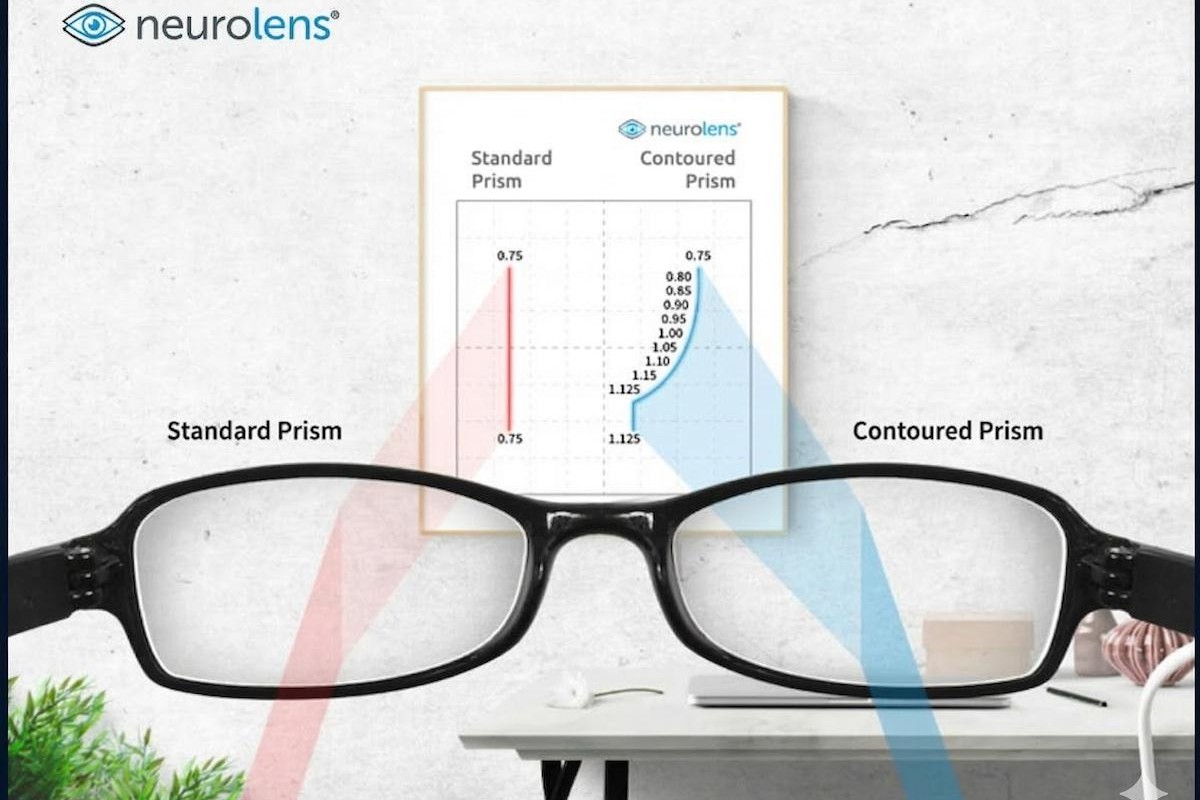
Neurolenses take a different approach. They include a prism built into the lens that helps your eyes work together more comfortably. Think of it like adding a wedge that reduces the effort your eye muscles need to make.
- Adds contoured prism to lens design
- Addresses eye alignment & coordination problems
- Requires eye movement testing
This technology targets the root cause of many strain symptoms—your eyes’ difficulty coordinating properly during close-up tasks. Lenses with prism technology can correct eye misalignment that can contribute to headaches and neck pain from screen use.
Signs You Might Need Neurolens Treatment
Your body often signals when your eyes are working too hard. These symptoms typically get worse as the day goes on, particularly after screen time or detailed work.
- Headaches after computer work or reading
- Neck & shoulder pain during visual tasks
- Eye strain that regular glasses don’t fix
Many people assume these problems are just part of modern life. However, when your eyes can’t align properly, the strain travels up through your neck and shoulders as your body tries to compensate. Digital eye strain affects many people who spend significant time looking at screens.
How Your Eye Doctor Tests for Neurolens Correction
Assessment Process
Your appointment starts like any routine eye exam. The doctor first checks your vision sharpness and overall eye health.
- Comprehensive eye exam with vision testing
- Eye alignment & coordination measurements
- Discussion of your daily visual symptoms
The key difference is the detailed conversation about when and where you experience discomfort. Your daily habits and work setup provide important clues. Comprehensive eye exams include multiple tests to evaluate your overall eye health and visual function.
Testing Technology
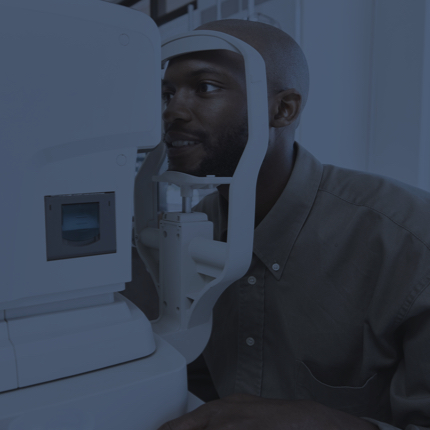
If strain symptoms suggest Neurolens might help, the doctor uses equipment to measure exactly how your eyes move and coordinate.
- Neurolens measurement device evaluation
- Eye movement tracking during different tasks
- Prism calculations for your needs
This testing shows the doctor exactly how much prism correction you need and where to place it in your lenses.
Benefits & Limitations of Each Lens Type
Traditional Lens Advantages
Regular glasses handle most vision problems effectively and affordably. They’re the right choice when you mainly need clearer sight.
- Works well for standard vision correction
- More affordable option for most people
- Available at any Langford optometrist or Duncan optometrist
If you can read comfortably and use screens without headaches, traditional lenses probably meet your needs.
Neurolens Benefits
When eye coordination contributes to your discomfort, Neurolenses address the problem differently from regular glasses.
- Can reduce digital eye strain symptoms
- Can help with headaches & neck pain
- Can improve comfort during close-up work
You might notice less tension in your shoulders after a long day at the computer, or find you can read for longer periods without fatigue. Following the 20-20-20 rule can also help reduce eye strain from screen use.
Making the Right Choice for Your Family’s Vision Needs
When Traditional Lenses Work
Most vision problems respond well to regular prescription glasses. You likely need standard correction if your main concern is seeing clearly.
- Simple nearsightedness, farsightedness or near focusing correction needed
- No frequent headaches or eye strain
- Standard progressive or reading glasses are sufficient
Children often do well with traditional lenses since their eye muscles typically coordinate naturally without extra help. Children’s eye exams can detect vision issues early and determine the correction approach.
When to Consider Neurolens
If you experience regular discomfort despite having the right prescription, Neurolens technology might provide relief.
- Regular computer use contributes to discomfort
- Traditional glasses haven’t solved eye strain
- Work requires extended focus on screens
Adults who spend significant time on detailed visual tasks often benefit most from this technology. Your Chemainus optometrist, Cobble Hill optometrist, or Lake Cowichan optometrist can help determine if you’re a good candidate.
Protect Your Vision with Cowichan Eyecare
The team at Cowichan Eyecare understands that every family member has different vision needs. Whether traditional lenses can solve your vision problems or you need the approach of Neurolens technology, proper testing helps identify the right solution for your comfort and clarity. Schedule an appointment to discuss which option can help improve your daily visual experience.