You might notice a small pink or fleshy patch creeping across the white of your eye. Many people know this growth by the nickname “surfer’s eye,” but optometrists call it a pterygium. A pterygium is a non-cancerous growth of tissue on the clear surface of your eye that can spread onto the cornea, and most cases are treated with lubricating drops, sun protection, or surgery when the growth affects your vision.
Sometimes this starts as a smaller, flatter spot called a pinguecula. Watch out for it growing larger and reaching toward the centre of your eye. Book an eye exam so an optometrist can uncover these changes early.
What Causes Surfer’s Eye?
Long hours outdoors can expose your eyes to environmental factors that contribute to surfer’s eye, including:
- UV sunlight
- Wind
- Dust
- Sand
That’s why people who take part in water sports, garden, hike, work outside, or spend a lot of time on the water may have a higher risk of developing a pterygium. UV exposure can also affect your eyes in other ways, including contributing to cataracts and other surface changes over time.
Spot the Signs of a Pterygium
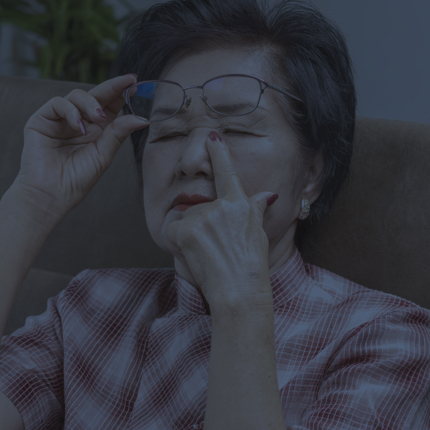
A pterygium feels like more than a cosmetic issue. You may notice your eye acting up during your daily routine with a few specific symptoms:
- Redness or swelling on the white of your eye
- A dry, itchy, or gritty feeling, like sand under your lid
- Blurry vision as the growth spreads further into your cornea
Some days feel fine. Other days the irritation flares up, especially after time outside in dusty or windy weather. Talk to an optometrist to evaluate that gritty sensation because it can easily overlap with standard dry eye symptoms.
When to See an Optometrist
Schedule a quick check-up to see how far the growth has spread. An optometrist can measure the area and watch for changes over time.
Reach out for an assessment if you notice any of these issues:
- The growth is moving into the cornea
- You have ongoing irritation or shifts in your vision
- You want regular exams to track how the growth behaves
Options for Treating a Pterygium
Mild cases often calm down with simple steps. Optometrists generally recommend the following treatments for everyday management:
- Lubricating drops for mild irritation
- A short course of prescribed drops to settle persistent redness or inflammation
- Hats and wraparound sunglasses to block UV light and wind
When a pterygium risks affecting your sight, surgery may be recommended. A surgeon can remove the growth and place a small tissue graft over the area to help lower the chance it comes back. Your optometrist can refer you to the right surgeon and guide you before and after the procedure.

What to Expect After Removal
Many people find the days right after surgery quite manageable. Here’s what you can usually expect during the recovery process:
- Mild redness and pink-tinged tears for the first 1 to 2 days
- Healing that takes about 4 to 6 weeks
- Specific eye drop instructions to lower the risk of regrowth
Your eye may feel scratchy at first, but that sensation eases as the surface heals. Follow your eye drop schedule closely to help the medication reach the surface and do its job. In the meantime, small choices make these weeks easier on your eye, including:
- Wearing eye protection any time you head outdoors
- Adjust your driving and work tasks while your vision settles
- Keep in touch with your optometrist to guide your follow-up care
How to Help Prevent Surfer’s Eye
Most prevention comes down to shielding your eyes from sun and grit. And, as long as you can prevent surfer’s eye in the first place, you won’t have to worry about surgery. The same habits help whether you’ve had a pterygium before or want to avoid one:
- Wear UV-blocking sunglasses and a wide-brimmed hat
- Use glasses or goggles when you work around dust
- Reach for artificial tears when your eyes feel dry
Invest in a pair of sunglasses with full UV protection to block the light and wind that promotes these growths. Good habits protect every age group, from kids at the beach to adults working outdoors.
Make Eye Protection a Priority
Whether you’re spending weekends near the water or just want to enjoy a sunny afternoon outdoors, proactive defence lowers your risk of developing a pterygium. Build a routine of wearing proper eyewear to keep your vision comfortable through every stage of life. Stop wondering what comes next when you spot a new growth on your eye.
If you think you have surfer’s eye, our team at Cowichan Eyecare can examine the tissue, explain your options, and build a management plan that fits your daily routine. Schedule an eye exam today and take the next step toward protecting your vision.