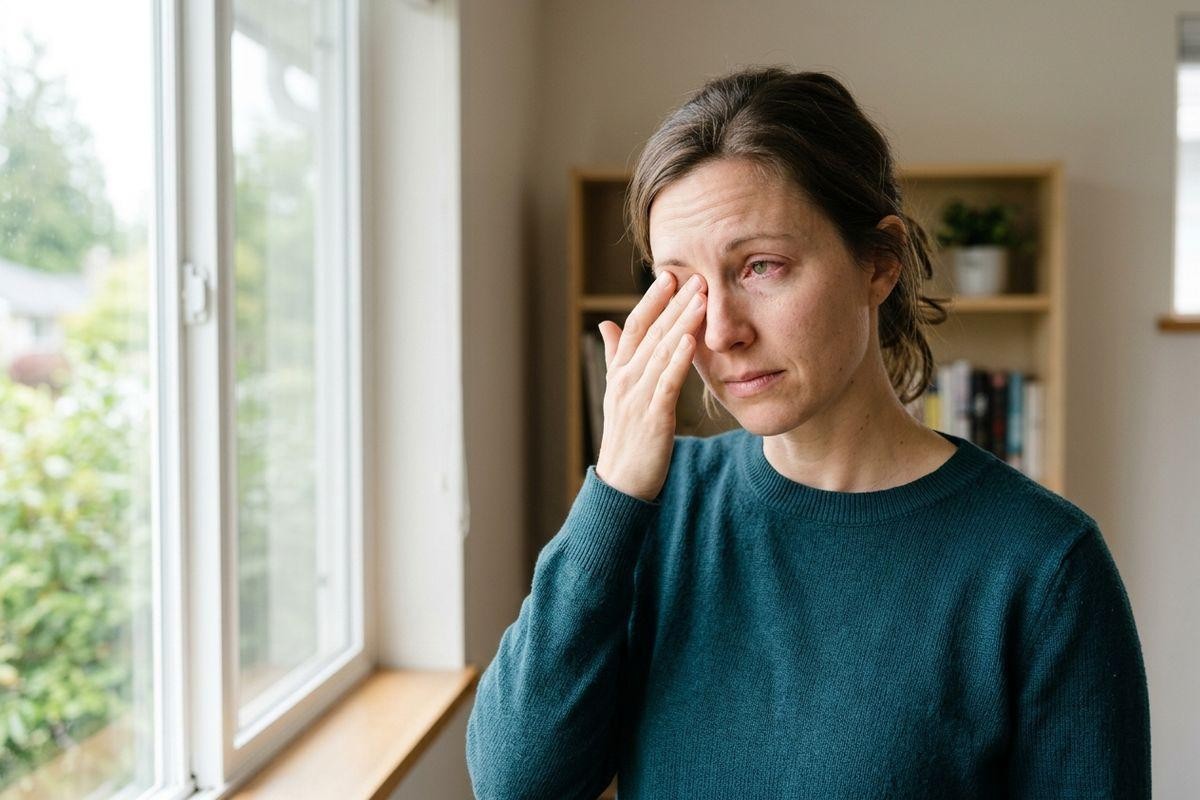
Your eyes can water, itch, and feel scratchy at the same time, making it hard to figure out what’s actually going on. That confusion is common because allergies and dry eye share a lot of the same symptoms.
Yes, allergies can make dry eye worse, because allergens spark inflammation that breaks down your tear film and leaves your eyes more irritated. When pollen or dust lands on the surface of your eye, your body reacts with swelling and redness. That inflammation disrupts the thin layer of moisture that keeps your eyes comfortable. The two conditions then feed each other, so a flare-up of one can make the other harder to ignore.
Why Allergy Medications Dry Out Your Eyes
Unfortunately, the pill you take to stop sneezing can leave your eyes feeling like sandpaper. Antihistamines calm your allergy response, but they can also slow down tear production across your whole body.
Less moisture on the eye’s surface means more friction every time you blink. Finding allergy relief can sometimes mean trading one kind of discomfort for another, but understanding this trade-off can help you better manage your daily comfort.
How Pollen and Dust Affect Tears
Airborne particles settle directly on your eyes, adding to the inflammation that thins out your tear film. Once this protective barrier is compromised, your eyes lose their ability to naturally flush away debris.
A weak tear film struggles to shield your eyes properly. The next gust of pollen then reaches the surface faster, keeping the cycle of irritation going as your eyes struggle to maintain a healthy, balanced environment.
Signs Your Dry Eye Comes From Allergies
Telling allergies apart from plain dry eye starts with one clue, the itch. Strong, persistent itching almost always points to an allergic reaction, whereas dryness is often more about environmental stress.
Watch for these allergy signs:
- Intense itching that makes you want to rub your eyes
- Watery eyes paired with a runny nose
- Redness, puffy eyelids, and light sensitivity
Dry Eye Symptoms to Watch For
Dry eye can feel distinctly different from an allergic itch. It tends to show up as a rough, raw sensation that comes and goes throughout the day. Track your symptoms to see when they hit the hardest, as this helps your optometrist determine the best path forward for your specific eye health needs.
Look for these dry eye signs:
- A gritty, scratchy, or burning feeling
- Stringy mucus
- Blurry vision that clears up after you blink
Why Your Dry Eye May Feel Worse Right Now
Allergy season stacks the odds against comfortable eyes. Spring and summer pollen raise your chances of dealing with an uncomfortable flare-up, and changes in temperature can also cause your natural tears to evaporate faster than normal.
The season piles on a few extra problems:
- High pollen counts in the air
- Fans and outdoor wind that speed up tear evaporation
- Dry indoor air conditioning pulling moisture from your eyes
Put those together, and a normal day at home or outside can leave your eyes feeling raw by the afternoon.
Calm Your Irritated Eyes at Home
Tackle the dryness cycle early with a few straightforward habits. You can create a more soothing environment by focusing on small adjustments to your daily routine that actively protect your ocular surface. These adjustments include:
- Run a humidifier day and night to add moisture back into dry rooms.
- Wear wraparound sunglasses outdoors to block wind and floating pollen.
- Use preservative-free artificial tears to rinse away allergens and soothe the surface.
Simple Ways to Limit Allergens
Cutting down on contact with allergens can give your eyes a much-needed break. Focus on reducing your exposure whenever you can, as this significantly lowers the inflammatory trigger that causes your eyes to overreact in the first place.
Here are some of our tips for limiting allergic reactions:
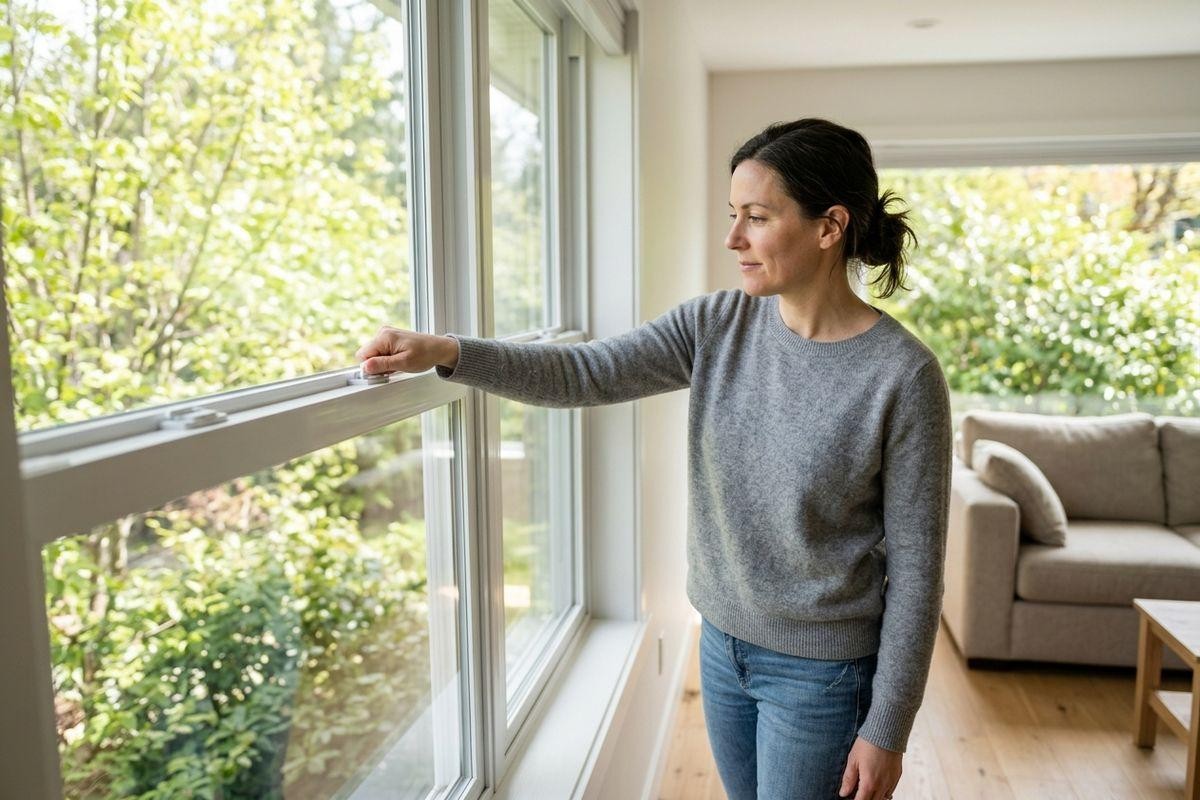
- Keep windows closed on high pollen days
- Wipe down surfaces to clear dust and pet dander
- Wash your hands after touching pets so you don’t rub allergens into your eyes
When to See Your Optometrist
Home remedies help plenty of people, but they don’t always fix everything. If the inflammation is chronic, it may keep coming back despite your best efforts. Your optometrist can step in when the discomfort outlasts the season or starts getting in the way of your favourite activities.
Book an exam when you notice these patterns:
- Symptoms dragging on well past allergy season
- Over-the-counter drops failing to provide relief
- A need for a professional to pinpoint the real cause
An optometrist can match a plan to your eyes once they find the source of the irritation. Options include prescription drops to reduce inflammation, daily disposable or scleral contact lenses for sensitive eyes, and in-office dry eye treatments that target the tear film directly.
Find Relief with Cowichan Eyecare
Allergy season doesn’t have to mean suffering through weeks of scratchy, watery eyes. Manage the discomfort and get back to living your life with the right home habits and professional guidance.
Book your appointment with Cowichan Eyecare today and let our experts figure out exactly what’s causing your dry eye.