Key Takeaways
- Stress can show up in your eyes through blurry vision, twitching, and light sensitivity.
- Most stress-related vision changes are short-term and settle once you are able to calm down.
- Ongoing stress may raise eye pressure and make dry eye flare up.
- Simple habits like the 20-20-20 rule, movement, and steady sleep help give your eyes a break.
- Book an eye exam if symptoms stick around or you notice sudden pain, foggy vision, or halos.
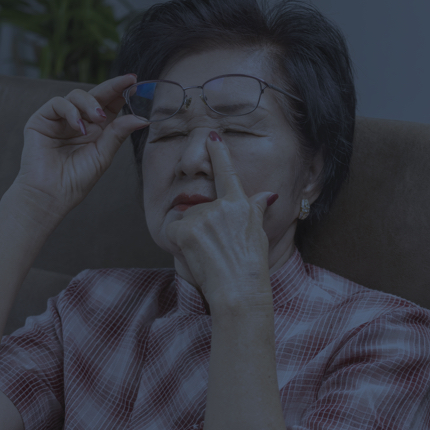
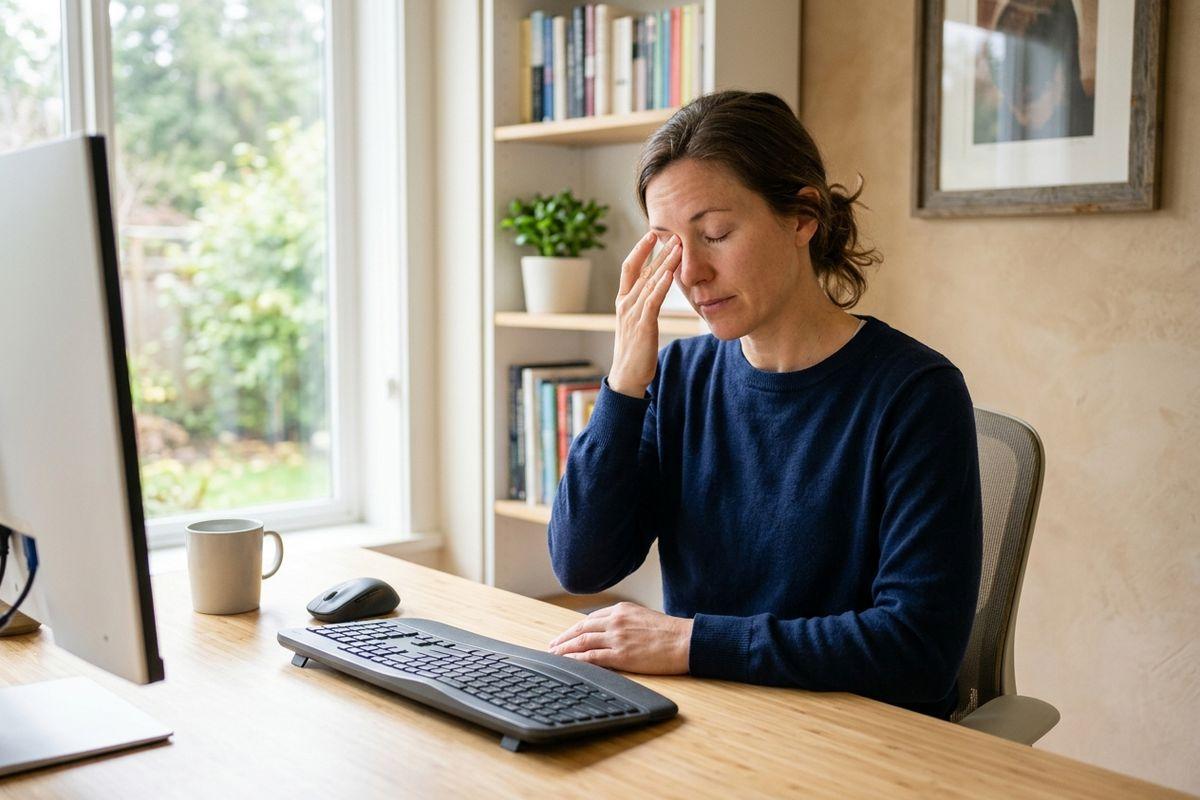
A deadline hits, the kids are yelling, and suddenly the words on your screen go soft around the edges. Your eyelid starts flickering. You blink hard, rub your eyes, and wonder what’s going on. It’s a question our team at Cowichan Eyecare hears often.
Yes, stress can lead to vision problems, though these changes are usually short-term and tend to settle once your stress levels come down.
How Stress Shows Up in Your Eyes
When your body shifts into fight or flight mode, your eyes come along for the ride. That built-in response readies you to react quickly, and your vision is part of the package.
The good news is that these changes are often temporary. Once the pressure eases, things usually go back to normal.
The link between stress and vision isn’t fully understood yet. What’s clear is that plenty of people notice a difference in how they see during stressful stretches, and it’s worth paying attention to.
Common Vision Symptoms Linked to Stress
Stress can affect your eyes in ways you might not connect to what’s happening in your life. Here’s what people often report:
- Blurry vision that comes and goes
- Sensitivity to bright light
- Eye twitching, usually in one eyelid
- Dry eyes or, oddly enough, watery eyes
- Eye strain and headaches
- More awareness of floaters drifting across your view
Usually it clears once you are able to calm down. A few slow breaths and a step away from whatever’s stressing you can bring things back into focus.
When Side Vision Feels Narrow
During intense anxiety, some people describe tunnel vision. The edges of what you see seem to close in, and you’re only aware of what’s straight ahead.
If this happens more than once, mention it to your eye doctor at your next visit.
Long-Term Stress and Your Eye Health
Short bursts of stress are one thing. Stress that hangs around for months is another.
Ongoing stress may raise the pressure inside your eyes. Over time, some researchers think it could play a role in optic nerve damage. Stress can also make dry eye flare up, leaving your eyes gritty and tired by mid-afternoon.
Stress and Glaucoma Care
When life gets hectic, sticking to a treatment routine often becomes harder. Drops may get skipped, appointments get pushed back.
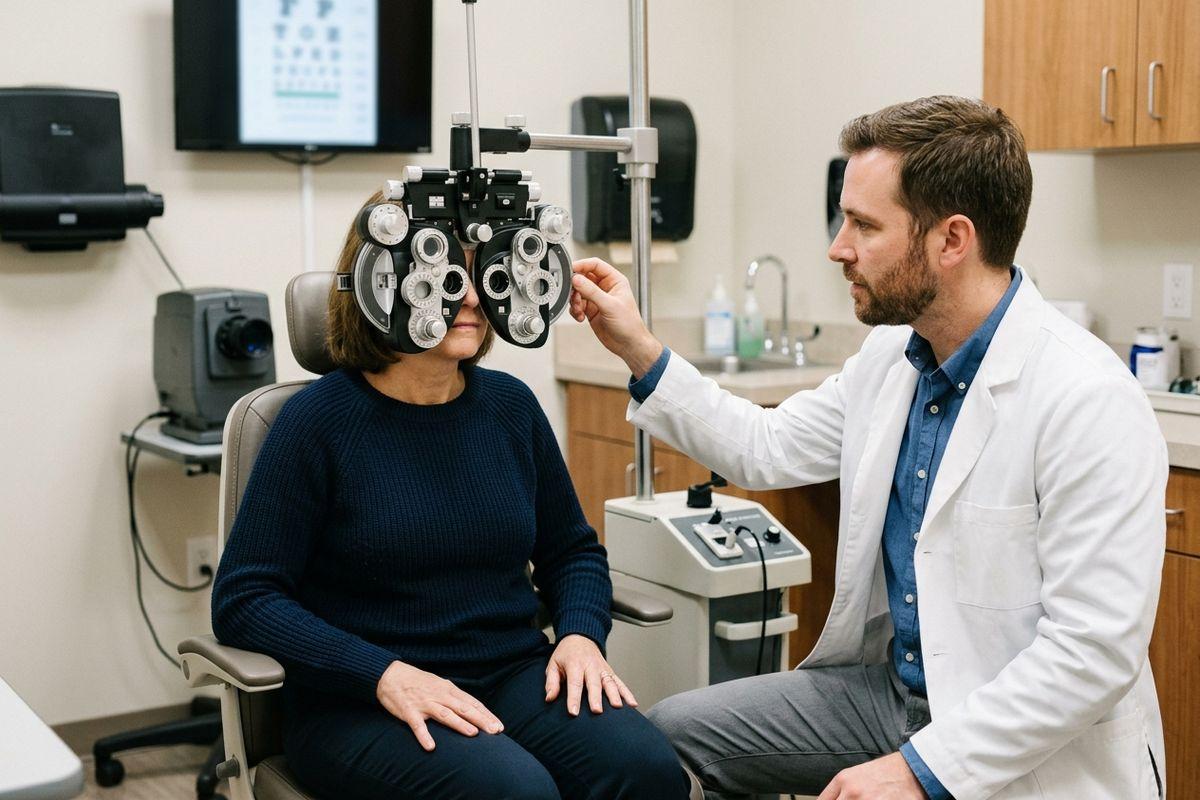
Regular eye exams matter more as you get older, and they’re one of the most reliable ways to track what’s happening inside your eyes. Your optometrist can monitor changes over time so nothing slips past unnoticed.
Simple Ways to Give Your Eyes a Break
Small shifts through your day can ease the load on your eyes.
- Try the 20-20-20 rule during screen time. Every 20 minutes, look at something 20 feet away for 20 seconds.
- Build in deep breathing, daily movement, and steady sleep. Your eyes rest when the rest of you does.
- Cut back on caffeine and social media, especially in the evening.
None of this takes much effort. A short walk after dinner or a phone-free hour before bed can change how your eyes feel the next morning.
When to Book an Eye Exam
Some symptoms deserve a closer look. Book an appointment if your vision problems stick around after the stress fades, or if you notice sudden eye pain, foggy vision, or halos around lights.
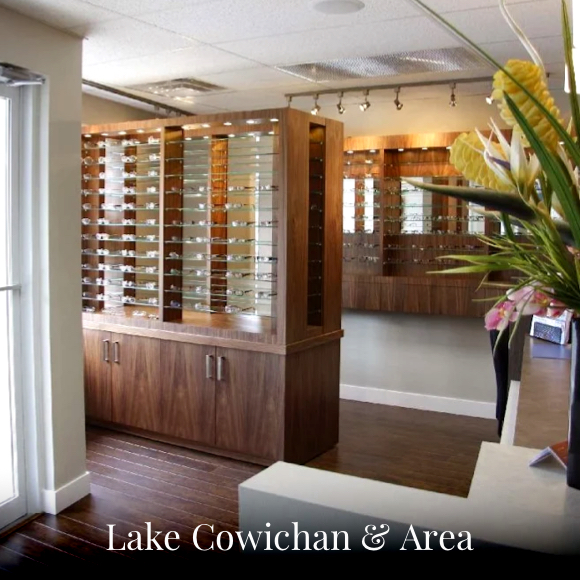
Families across Vancouver Island can book exams close to home, whether you’re looking for a Chemainus optometrist, a Langford optometrist, or somewhere in between.
What the Eye Doctor Looks For
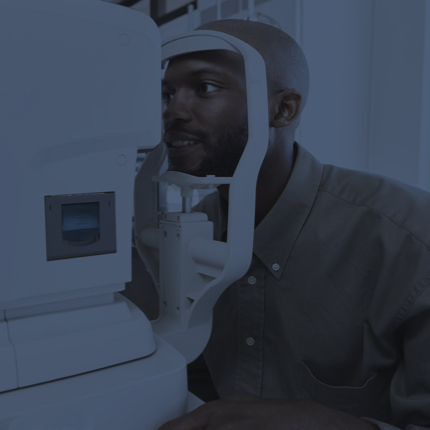
Your eye doctor checks your eye pressure, how well your eyes focus, and the health of your tear film. Part of the exam is ruling out other eye conditions, so you know what you’re actually dealing with.
Take the Next Step for Your Vision
Stress touches a lot of things, and your eyes can be one of them. If something feels off, our team at Cowichan Eyecare can help you sort out what’s stress-related and what needs a closer look.
Book your family’s eye exams today and get answers you can trust.