
Key Takeaways
- Light sensitivity, also called photophobia, can range from mild irritation to real pain.
- Dry eye, inflammation inside the eye, cataracts, and corneal scratches can each play a role.
- Migraines, head injuries, and certain medications can also raise your sensitivity to light.
- Eye pain, redness, vision changes, fever, or sensitivity after a head knock deserve a same-week appointment.
- Relief usually starts with treating the underlying cause, not just dimming the lights.
Light sensitivity is one of the more common concerns people bring to Cowichan Eyecare. You step outside on a bright Vancouver Island afternoon, and your eyes slam shut before you can reach for your sunglasses. Or the overhead lights at work start to feel like they’re pressing on the back of your eyes by mid-afternoon. Screens can do it too, that white glow from a laptop suddenly feels harsh in a way it never used to.
Light sensitivity happens when your eyes react to normal light levels with discomfort or pain, and it’s usually a signal that something else is going on, whether in your eyes or elsewhere in your body.
Light Sensitivity Symptoms
Here’s what people tend to notice:
- Discomfort from sunlight, computer screens, or ordinary indoor lighting.
- Squinting, extra blinking, and watery eyes.
- Headaches that build the longer you stay in bright light.
For some people, it’s a small annoyance. For others, it’s genuine pain that shapes how they plan their day.
Common Reasons Your Eyes React to Light
Eye-Related Causes
Dry eye is one of the more frequent reasons behind light sensitivity. When your tear film isn’t doing its job, bright light feels sharper than it should.
Inflammation inside the eye, such as iritis or uveitis, can also be involved. Cataracts, a scratch on the cornea, and eyelid irritation are other possibilities the eye doctor looks for during an exam.
Causes Beyond Your Eyes
Sometimes your eyes aren’t the source at all. Migraines and other headache types often come with light sensitivity. Head injuries and concussions can leave you sensitive to light for a while afterward, and some medications may raise your sensitivity as a side effect.
That’s why the conversation at your appointment matters as much as the equipment.
Why Your Eyes Turned Sensitive Suddenly
When light sensitivity shows up out of nowhere, there’s often a recent event behind it. A recent eye infection or a scratch on the surface of the eye can do it. So can the period after eye surgery, or wearing contact lenses longer than they were meant to be worn.
A new migraine pattern or a general illness can also shift things quickly.
Signs Worth a Same-Week Appointment
- Eye pain, redness, or any change in your vision.
- A stiff neck, fever, or a severe headache alongside the sensitivity.
- Light sensitivity that started after a knock to the head.
If any of these sound familiar, book sooner rather than waiting to see if it settles on its own.
How Your Eye Doctor Pinpoints the Cause
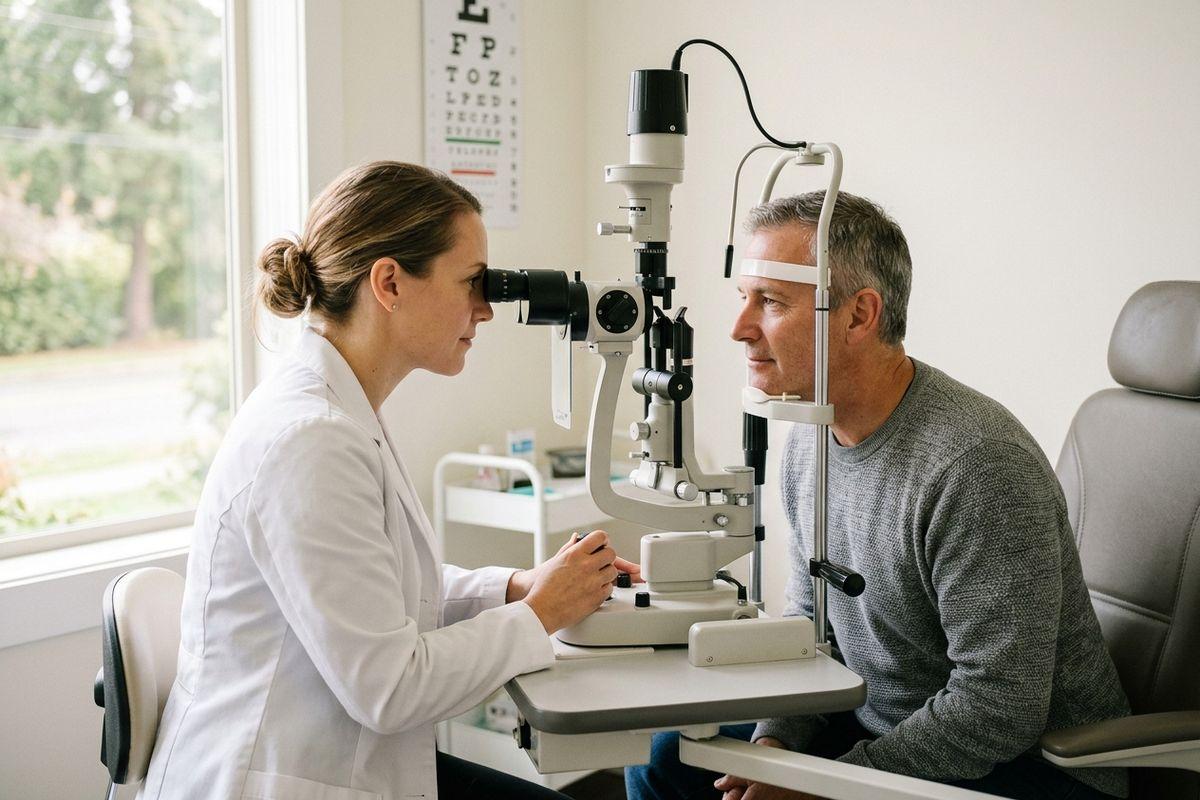
The visit usually starts with questions. What sets it off, when did it begin, and do headaches come with it? Your answers help narrow things down before any instrument comes out.
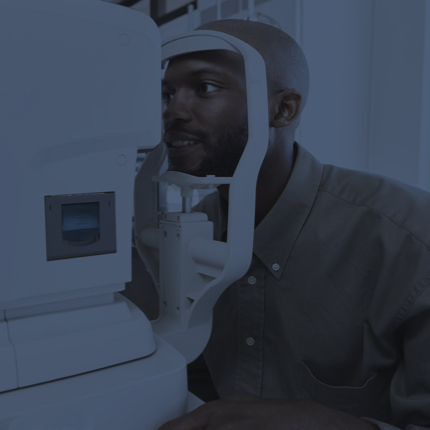
From there, your optometrist may examine your tear film and the front surface of your eye, looking for dryness, scratches, or signs of inflammation. When the cause isn’t obvious up front, a look at the retina helps fill in the picture.
What to Bring to Your Visit
A written list of your medications and symptoms saves guesswork. Jot down a few notes too, including the times of day light bothers you, whether it’s worse indoors or outdoors, and how long the discomfort lasts.
Ways to Ease Light Sensitivity Day to Day
Relief tends to follow the cause. Treating what’s behind the sensitivity does more than simply avoiding light. If dry eye is part of the picture, lubricating drops and warm compresses can help settle things.
Tinted lenses outdoors can take the edge off bright days. Lighter indoor tints can also be helpful for managing light sensitivity without making your surroundings too dark. Specialty options, such as Avulux lenses, are designed to filter specific wavelengths of light and may help reduce light sensitivity and discomfort associated with migraines. Wearing dark sunglasses indoors all the time, however, can increase sensitivity to normal lighting, so it’s worth exploring lens options suited to your needs.
Small Changes at Home and Work
Turn your screen brightness down until it matches the light in the room. Soften harsh overhead lighting where you can. Step away from glare and flickering light every so often, even for a minute or two, so your eyes get a break.
Care Close to Home
Cowichan Eyecare offers appointments for families and adults 65+ across Vancouver Island.
If light has started to bother you more than it used to, book an eye exam with our team and get answers about what’s behind it.