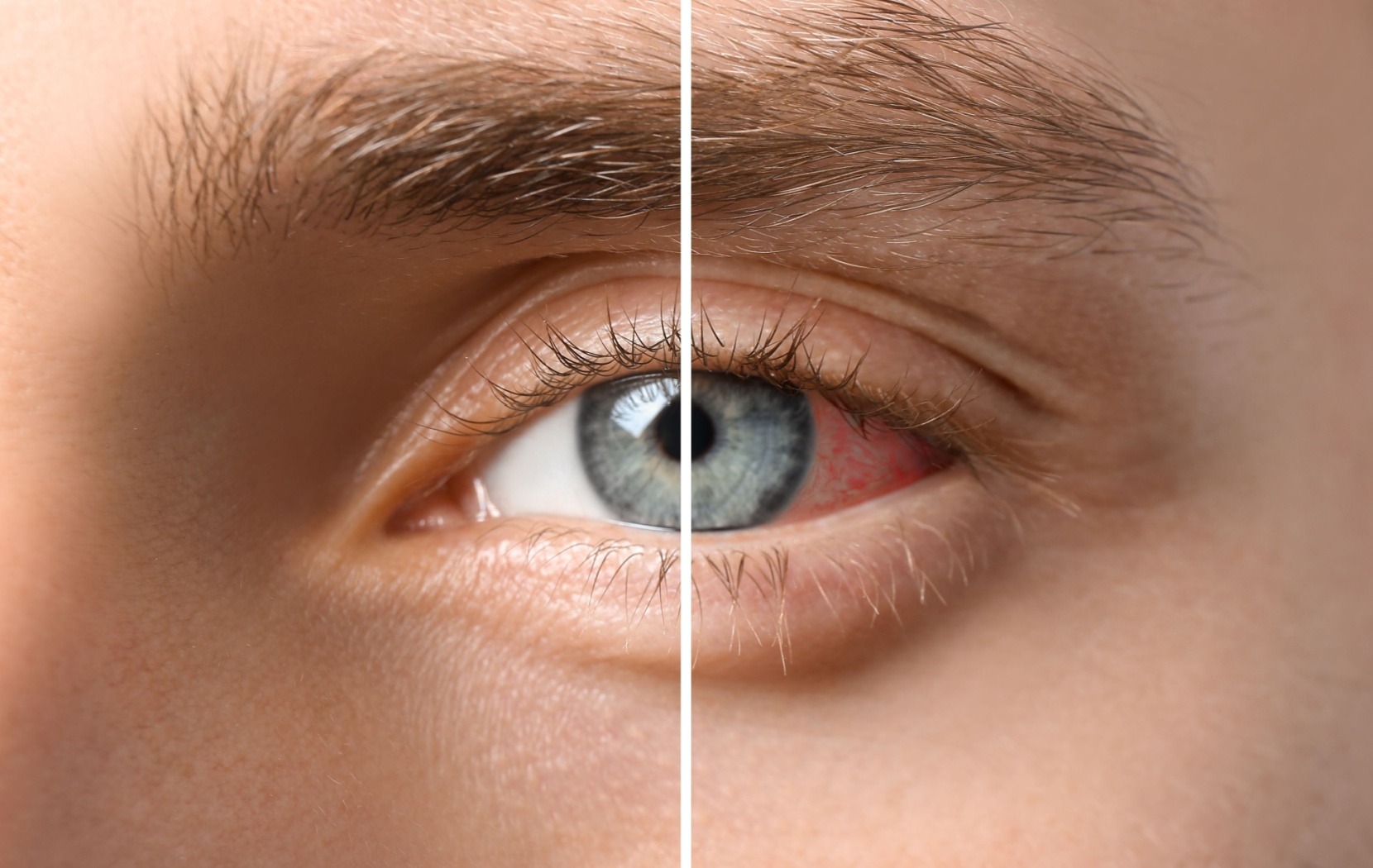
If you’ve been experiencing dryness, irritation, or a burning sensation in your eyes, there’s a chance your Meibomian glands might need attention. These tiny yet crucial glands are key players in maintaining healthy, comfortable eyes and avoiding conditions like dry eye—but what happens when they stop functioning properly?
Luckily, Meibomian glands can often be restored, especially when they’re treated early. Both at-home care and in-office dry eye treatments can help unblock and restore your Meibomian glands when they become clogged. Below, we’ll walk through how to unblock your eye oil glands at home, when to seek professional care, and the advanced treatments available on Vancouver Island.
What Are Meibomian Glands—and Why Do They Matter?
Meibomian glands are sebaceous (oil) glands located along the edges of your eyelids, just behind your eyelashes. Each eyelid contains about 25–40 glands. They secrete an essential oil layer, called meibum, that prevents tears from evaporating too quickly. Without this oil, your eyes become more exposed to air, leading to dryness and discomfort.
Healthy Meibomian gland function is necessary for:
- Keeping your eyes lubricated and your tear film stable
- Preventing dry eye syndrome
- Supporting overall eye health and comfort
When the glands don’t work properly, you may develop Meibomian Gland Dysfunction (MGD), a common condition that can lead to evaporative dry eye disease.
Signs Your Eyelid Oil Glands Are Clogged
Not sure whether your Meibomian glands are blocked? Clogged eyelid oil glands often show up as:
- A gritty, sandy, or foreign-body sensation in the eyes
- Burning, stinging, or general irritation that worsens through the day
- Red or swollen eyelid margins
- Crusting or debris along the lash line
- Blurred vision that clears when you blink
- Watery eyes (the eye overproduces tears to compensate for poor oil quality)
If these sound familiar, the good news is that early-stage blockages often respond well to at-home care.
How to Unblock Eye Oil Glands at Home
If your glands are blocked but still functional, several at-home steps can help clear them and restore healthy oil flow. These work best as a daily routine and alongside professional care.
1. Apply a Warm Compress
Heat is the foundation of at-home gland care. Apply a clean, warm compress or a heat mask designed for the eyes for 10–15 minutes. The warmth softens the hardened oil trapped in the glands, making it easier to release. For best results, aim for a consistent temperature—a microwavable eye mask holds heat more evenly than a washcloth, which cools quickly.
2. Massage Your Eyelids
Immediately after warming, gently massage the eyelids to express the softened oil. Using clean fingers, apply light pressure and roll toward the lash line—upper lids downward, lower lids upward. This helps push the loosened meibum out of the glands. Be gentle and never apply hard pressure directly to the eyeball.
3. Clean Your Eyelids (Lid Hygiene)
Keeping the lid margins clean prevents debris, makeup residue, and bacteria from re-clogging the glands. Use a dedicated lid-cleansing wipe or foam, or a diluted, tear-free cleanser, wiping along the base of the lashes daily.
4. Blink Fully and Often
Reduced or incomplete blinking—common during screen use—lets oil stagnate in the glands. Practise full, deliberate blinks throughout the day, and follow the 20-20-20 rule during screen time to keep the glands active.
5. Support Gland Health From the Inside
Staying hydrated and adding omega-3 fatty acids (from fish or a supplement) can improve the quality of the oil your glands produce. Ask your optometrist whether an omega-3 supplement is right for you.
At-home care is excellent for maintenance and mild cases, but it isn’t always enough on its own. If your symptoms persist or return, it’s time to see your optometrist for a professional assessment.
Can Meibomian Glands Be Fully Restored?
In many cases, Meibomian gland function can be restored or significantly improved, especially if the problem is addressed early. While glands that have completely atrophied are unlikely to regenerate, it’s usually possible to improve or revive partially functional glands. That’s why early treatment matters so much—the sooner you act, the more gland function you can preserve.
In-Office Treatments to Restore Meibomian Glands
When at-home care isn’t enough, these professional, science-backed treatments can clear stubborn blockages and restore gland function:
Intense Pulsed Light (IPL) Therapy
Initially developed for skin conditions, IPL therapy has shown strong results for MGD. Our OptiLight by Lumenis treatment uses precise, light-based pulses to reduce inflammation and break down blockages within the Meibomian glands. It’s the first and only IPL therapy FDA-approved for dry eye management.
Thermal Pulsation Therapy
One of the most advanced options, thermal pulsation therapy (like LipiFlow) uses gentle heat and pressure applied directly to the glands. The heat melts blocked oils while the pulsation expresses the glands and restores function. Studies confirm that properly administered thermal pulsation can significantly improve symptoms and gland health.
Radiofrequency (RF) Therapy
Originally used for cosmetic rejuvenation, RF therapy delivers controlled heat to the Meibomian glands. The targeted energy liquefies blocked oils, reduces obstruction, and improves tear stability.
Eyelid Cleaning Procedures
In-office cleansing treatments, such as ZEST, provide a deeper clean of the lid margins and gland openings than at-home hygiene alone—clearing debris and biofilm that contribute to blockages. You can explore these and other options at our Dry Eye Spa.
Medications
For underlying conditions like rosacea or chronic inflammation, prescribed antibiotics, anti-inflammatory eye drops, or hormonal therapy can address the root cause of gland dysfunction and support restoration.
The Role of Early Detection
Early diagnosis makes a significant difference in restoring Meibomian gland function. Regular eye exams can detect gland issues before symptoms worsen or permanent damage occurs. Our team may use imaging to assess the structure of your glands and build a personalized treatment plan.
What If Restoration Isn’t Possible?
If some glands can’t be restored, there are still plenty of ways to manage symptoms and stay comfortable. Customized dry eye treatments—such as artificial tears, punctal plugs, or scleral lenses—can keep your eyes comfortable, while preventive care protects the glands you still have from further atrophy.
Frequently Asked Questions
Can you unclog Meibomian glands yourself?
Often, yes. Mild to moderate blockages usually respond to a daily routine of warm compresses, gentle lid massage, and lid hygiene. If symptoms persist despite consistent at-home care, an optometrist can perform in-office treatments that clear stubborn blockages.
How long does it take to unblock eye oil glands at home?
Many people notice improvement within a few weeks of consistent daily care, but timelines vary depending on how blocked the glands are. Chronic or severe MGD typically needs professional treatment for lasting relief.
When should I see an optometrist about clogged oil glands?
Book an appointment if your symptoms are persistent, keep returning, or interfere with daily activities like reading or screen use. Early professional care preserves more gland function.
Treating Your Meibomian Glands on Vancouver Island
The state of your Meibomian glands can dramatically affect your eye health and comfort. While not all damage can be reversed, modern treatments and simple daily habits offer real hope for restoring gland function and relieving MGD symptoms. At Cowichan Eyecare, we offer comprehensive dry eye and gland-restoration treatments across our Vancouver Island locations. To take the first step toward lasting relief, book an eye exam today.